
The area under chickpeas cultivation in Pakistan has reached 931,000 hectares this year, reflecting a significant rebound after recent years of drought and low rainfall. Over the last year, chickpeas cultivation remained between 800,000 to 993,000 hectares, with yields consistently affected by water shortages.
This year, favorable rainfall in November, December, and January has boosted planting in both irrigated and rainfed areas, particularly in Punjab’s Thal region. If the rains continue as expected, bumper chickpea crops are anticipated, which will positively impact the local farming economy.
With the current sowing area, experts estimate that Pakistan’s chickpeas production could reach around 250,000 metric tons. While this remains below the total consumption requirement remains stand at 800,000 metric tons.
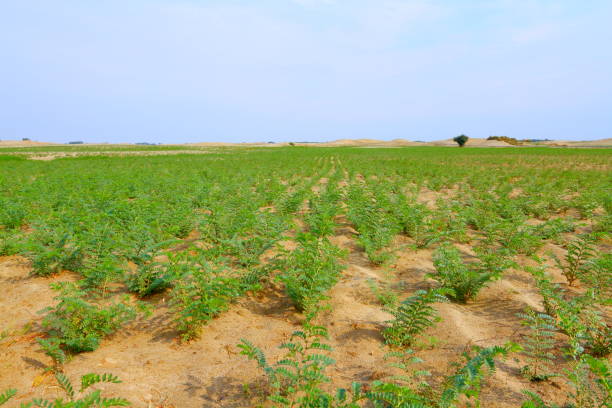
The Thal Desert in Bhakkar, which appeared barren for over a decade due to prolonged drought, has turned green following this season’s rains. This transformation has revived hope among local farmers. Farmers have brought approximately 162,000 hectares in Bhakkar district under chickpeas cultivation this season, planting white, red, and black varieties. Chickpeas grown in areas such as Mankera and Dullewala earn high praise for their superior quality, taste, and nutritional value.
The Agriculture Department reports that favorable weather and timely rains are helping farmers achieve yields of up to three bags per acre, marking a significant improvement over previous years. Experts note that continued favorable conditions could push production even higher.
Economists emphasize that improved chickpeas production can strengthen the financial position of local farmers; however, this year, market prices have dropped sharply from Rs 330/kg to Rs 160/kg. Favorable weather and timely rainfall are helping farmers achieve higher yields, boosting the regional agribusiness and pulses industry, and strengthening food security. Farmers have urged the government to supply quality seeds, modern agricultural facilities, and expanded export opportunities to further promote Thal’s chickpeas production on a global scale.