

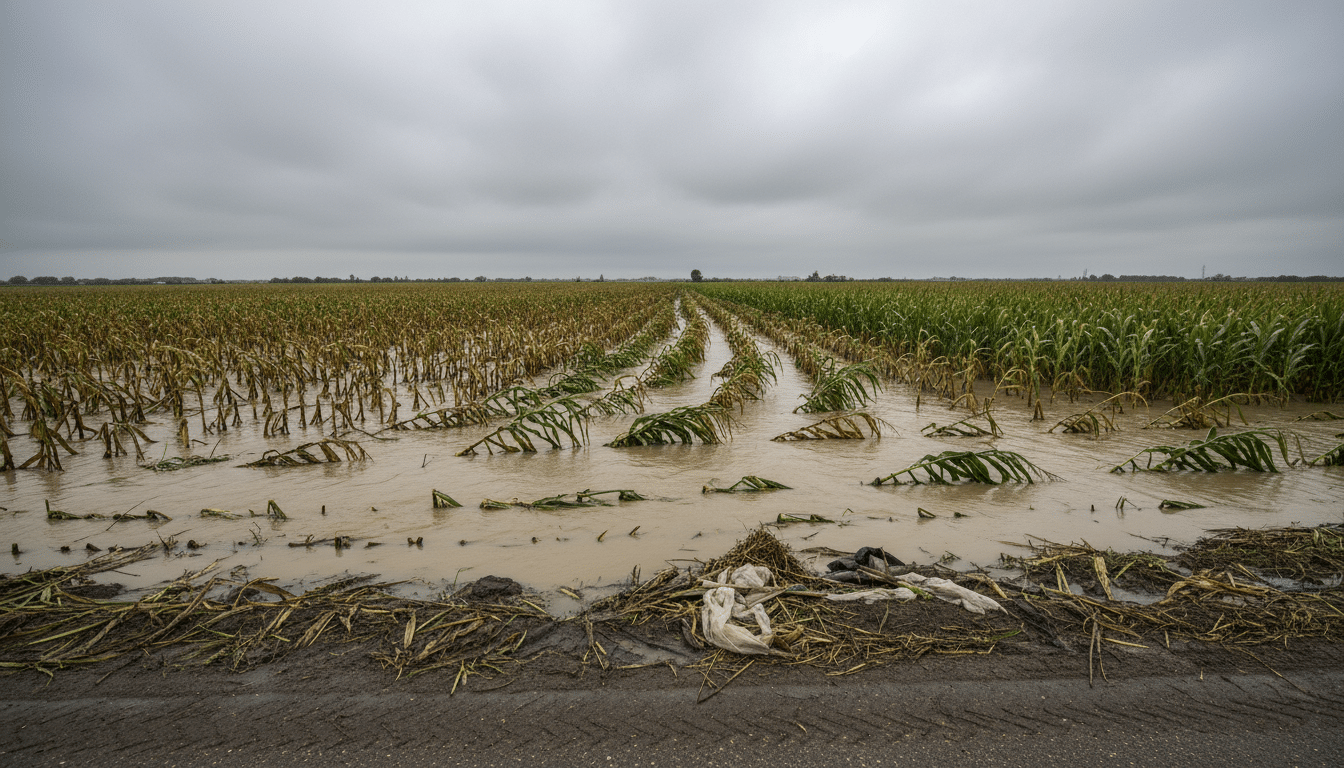
Pakistan’s corn exports have plummeted sharply compared to last year, reflecting the combined impact of flood-related crop losses and sustained high domestic corns. During the first three months of the 2025 marketing season, exports recorded 150,000 ton in July, 75,000 ton in August, and 30,000 ton in September, compared with 210,000 ton, 110,000 ton, and 60,000 ton respectively in the same period last year 2024.
The overall decline is largely attributed to flood damage, which affected production in several key corn-growing regions. As a result, local market corns have remained elevated throughout the season, preventing corn from reaching export parity levels and thereby constraining exports.
Despite the slowdown, major export destinations continue to include Sri Lanka (110,000 ton), Vietnam (75,000 ton), and Afghanistan (30,000 ton). The primary exporters driving these shipments from Pakistan are Sindh Feed, Asif Rice, and Hassan Ali.
This trend highlights the vulnerability of Pakistan’s corn exports to extreme weather events and domestic corn fluctuations, signaling potential challenges for maintaining international market share in the 2025 season.