
Pakistan’s soybean imports are facing a major bottleneck. Even after the government approved GMO soybeans, several vessels are being stuck at Pakistan port because this year’s pest risk assessment has not been completed. Without these inspections, the vessels cannot receive release orders, creating a backlog at the ports. With more than nine additional soybean shipments expected soon, this delay threatens the soybean supply chain, poultry feed availability, and overall market stability.
This disruption has already caused soybean meal prices to spike sharply, rising by approximately PKR 30 per kg. If delays continue, Pakistan may witness contraction in the poultry sector, which would not only push chicken prices higher but also contribute to broader inflationary pressures.
Pakistan is heavily dependent on oilseeds, particularly soybeans, for both edible oil and livestock feed. According to the State Bank of Pakistan, imports of palm oil and soybeans together reached around USD 4 billion, highlighting the country’s reliance on these commodities.
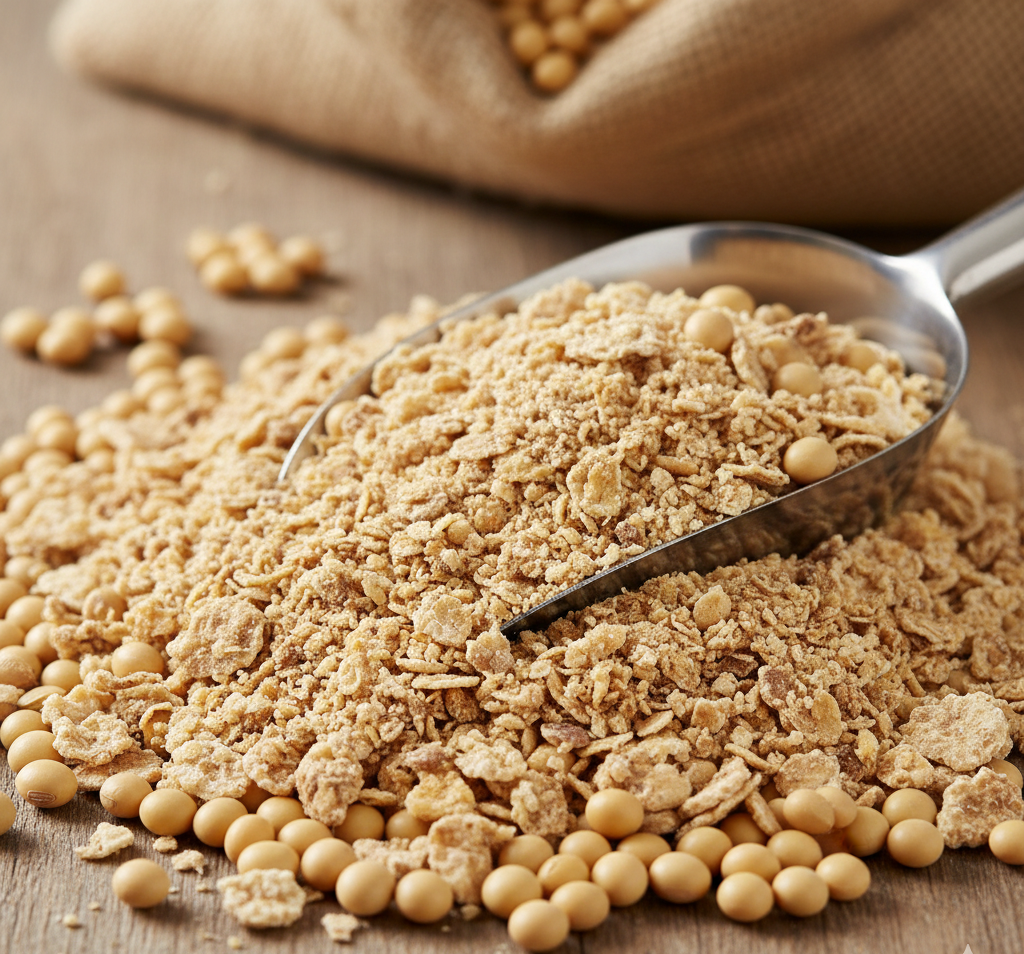
Soybean plays a critical role in poultry feed due to its high nutritional value. Soybean meal offers excellent digestibility, a superior amino acid profile, and the highest protein content among all oilseed meals (approximately 38–44%). This makes it a preferred feed ingredient over traditional options like cottonseed.
The Pakistan Poultry Association (PPA) estimates that Pakistan produced over 9 million tons of poultry feed, with roughly one-third consisting of oilseed meals. The poultry industry consumes around 2–2.8 million tons of oilseed meals annually, mostly soy. As poultry consumption continues to grow, the demand for soybeans rises accordingly, directly linking the availability of soy to feed supply, poultry production, and retail chicken prices.
With supply chain bottlenecks, delayed vessel clearances, and increasing demand, the soybean sector is at a critical juncture. Authorities must immediately complete pest risk assessments and clear soybean vessels at port to stabilize soybean meal and poultry prices while safeguarding Pakistan’s edible oil and livestock feed supply.