
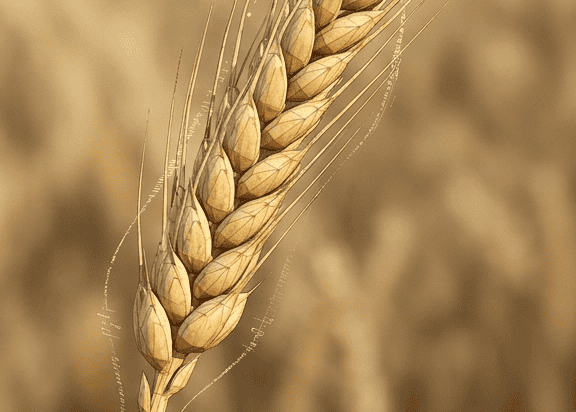
The government is evaluating the possibility of importing wheat amid growing concerns over a significant decline in domestic production. Adverse weather conditions are reportedly expected to reduce wheat output by 12–15%, raising fears of a national supply shortfall of nearly 3 million tons.
The development has intensified discussions on food security, market stability, and the country’s preparedness to manage potential supply disruptions in the coming months.
Expected Production Decline Raises Concerns
According to official assessments and market sources, unfavorable weather conditions have negatively affected wheat production in several agricultural regions. Reduced yields could create pressure on both government reserves and market availability.
The anticipated production gap has prompted authorities to explore emergency planning options to avoid shortages and stabilize domestic supply chains.
Proposed Wheat Import Plan
Officials are reportedly considering a proposal to import between 2.5 and 2.7 million tons of wheat. The objective of the potential imports would be to:
- Maintain adequate market supply
- Prevent excessive price volatility
- Strengthen strategic reserves
- Ensure food security during the upcoming consumption cycle
However, a final decision has not yet been made. Consultations between the Punjab government and the federal government are currently underway before any formal policy announcement.
Existing Wheat Stocks and Supply Position
According to Food Department sources, current wheat reserves may not be sufficient to fully meet projected national demand if production losses materialize.
Available stocks held by PASSCO and provincial governments, including Sindh and Khyber Pakhtunkhwa, are estimated at approximately 2.2 million tons. While these reserves provide short-term support, authorities appear concerned that they may not be enough to offset a larger production shortfall.
Market Implications
The possibility of wheat imports could have several implications for the domestic market:
- Price Stabilization: Imports may help contain upward pressure on wheat and flour prices
- Supply Security: Additional stocks could reduce the risk of shortages later in the year
- Impact on Farmers: Import timing and pricing will remain a sensitive issue for local growers, especially during the procurement season
- Fiscal Pressure: Large-scale imports may increase the government’s financial burden due to international prices and freight costs
Weather Risks and Agricultural Challenges
The situation also highlights the increasing vulnerability of agriculture to climate-related disruptions. Irregular rainfall patterns, temperature fluctuations, and extreme weather events continue to affect crop productivity across the country.
Experts believe that improving water management, seed quality, and climate-resilient farming practices will become increasingly important to reduce future production risks.
Policy Considerations
Authorities face a difficult balancing challenge:
- Protecting consumers from price spikes
- Supporting farmers through fair procurement policies
- Managing strategic reserves efficiently
- Minimizing import dependency where possible
The final decision on imports will likely depend on updated crop estimates, procurement progress, and overall market conditions.
Conclusion
Pakistan’s consideration of wheat imports reflects growing concerns over supply security amid weather-related production risks. While imports could provide short-term relief and stabilize markets, the situation underscores the need for stronger agricultural planning, climate resilience, and long-term food security strategies.
Effective coordination between federal and provincial authorities will be essential to managing the evolving wheat supply situation in the months ahead.

The Agri-Crop editorial team comprises commodity market analysts, rice trade specialists, and agriculture industry professionals based in Pakistan. We track daily price movements, export data, and policy developments across Pakistan’s key agricultural sectors.