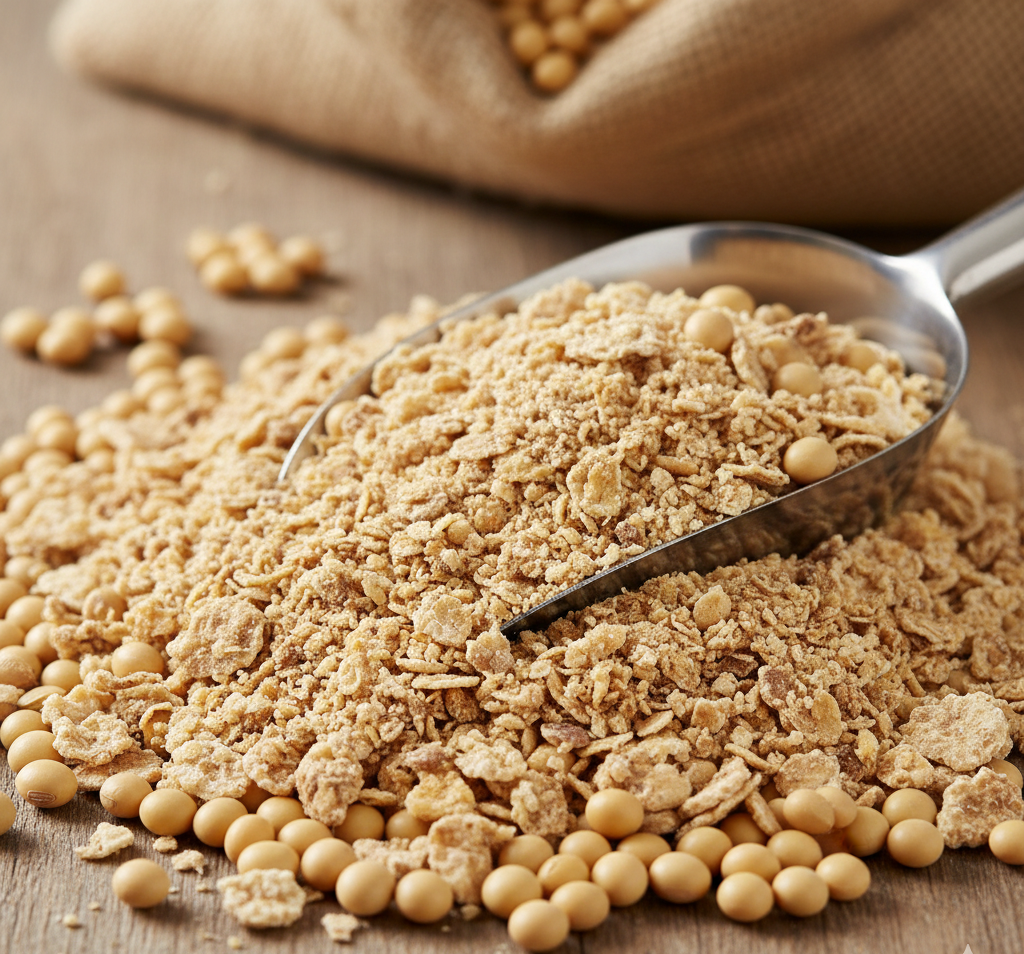
Pakistan is facing a serious disruption in soybean imports, as multiple vessels remain stuck at ports despite approval for GMO soybeans.
The issue stems from the pending pest risk assessment, without which shipments cannot receive clearance. With 9+ additional vessels expected, the backlog is building rapidly, threatening the entire supply chain.
📉 Immediate Market Reaction
The disruption has already triggered a sharp spike in soybean meal prices:
- Increase of ~PKR 30/kg
➡️ Reflecting tight supply and panic buying in the feed market
🐔 Impact on Poultry & Feed Sector
Soybean is a critical input for poultry feed, widely used due to:
- High protein content (38–44%)
- Superior amino acid profile
- High digestibility compared to alternatives
According to Pakistan Poultry Association:
- Total poultry feed production: 9 million tons+
- Oilseed meal share: ~1/3 of feed
- Annual oilseed meal consumption: 2–2.8 million tons (mostly soybean)
➡️ Any disruption directly affects:
- Feed availability
- Poultry production
- Chicken prices
🚢 Supply Chain Disruption
Key issues include:
- Vessels stuck at ports awaiting clearance
- Incomplete pest risk assessment process
- Incoming shipments adding to congestion
➡️ Result:
- Slower crushing activity
- Limited soybean meal supply
- Increased market volatility
💰 Economic & Trade Context
According to State Bank of Pakistan:
- Combined imports of palm oil & soybeans: ~$4 billion
➡️ Highlighting Pakistan’s heavy reliance on imported oilseeds for:
- Edible oil
- Livestock feed
⚖️ Broader Market Impact
If delays persist:
- Poultry sector may contract
- Chicken prices likely to rise sharply
- Increased food inflation pressure
- Strain on overall food supply chain
🔮 Market Outlook
The soybean market is at a critical juncture:
Best Case:
- Immediate completion of pest risk assessment
- Quick clearance of vessels
- Stabilization of soybean meal prices
Risk Scenario:
- Continued delays
- Severe supply shortages
- Escalation in feed and poultry prices
🔚 Conclusion
Pakistan’s soybean import bottleneck is a significant risk to both the feed and food sectors. Immediate regulatory action is essential to clear stuck vessels and restore supply flows. Timely intervention will be crucial to stabilize soybean meal prices, protect the poultry industry, and prevent broader inflationary pressures in the economy.
The Agri-Crop editorial team comprises commodity market analysts, rice trade specialists, and agriculture industry professionals based in Pakistan. We track daily price movements, export data, and policy developments across Pakistan’s key agricultural sectors.